
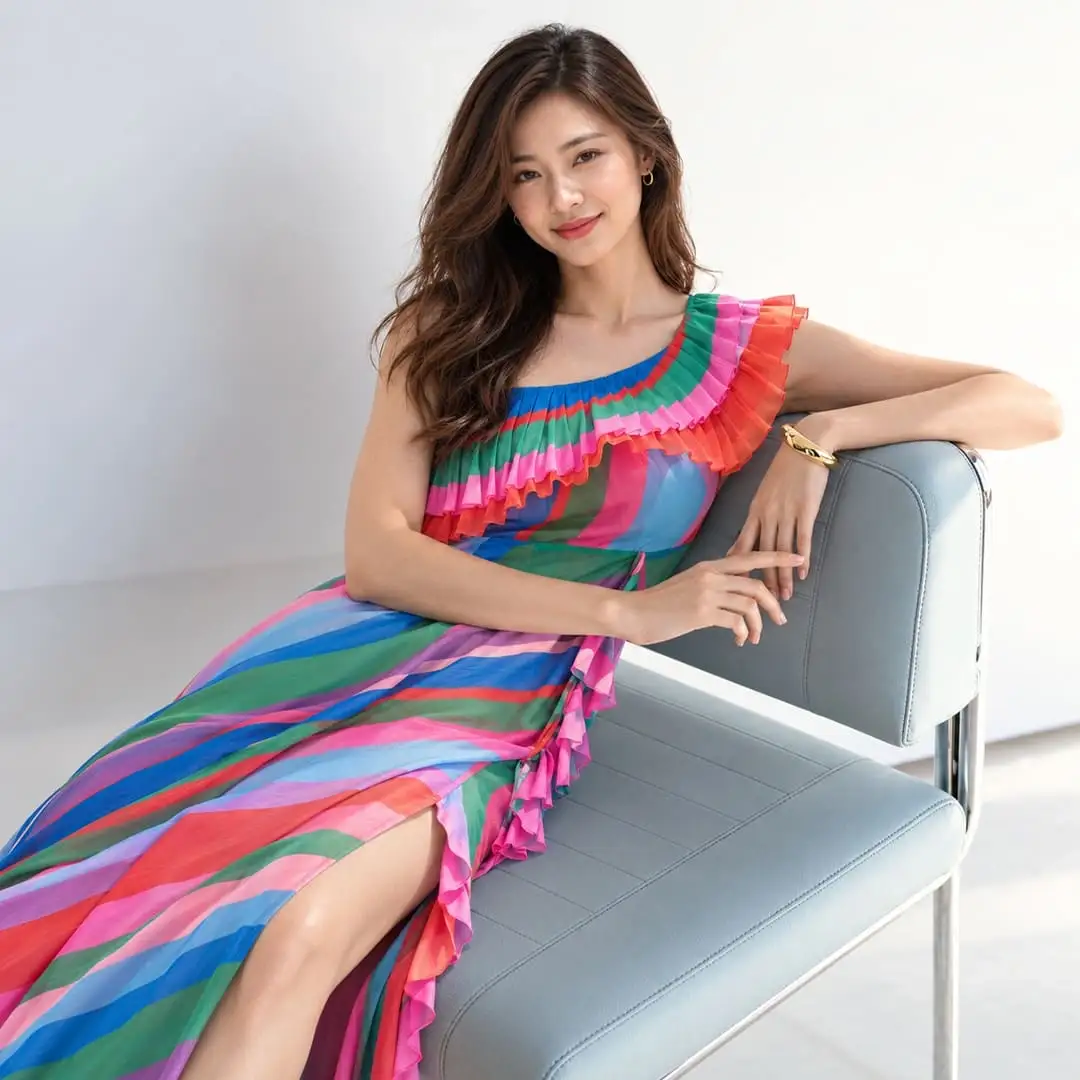
It’s interesting simple to purchase a dress online. All you need is to spot a striking silhouette, imagine three different occasions where you could wear it, choose your size, and head towards the checkout. The parcel arrives at your doorstep and reality introduces itself.
You may feel that the neckline is awkward, maybe the fabric behaves differently from what you imagined, or perhaps the dress is wonderful, but doesn’t fit with anything that you own currently. Choosing an unattractive dress is not the major cause of disappointing purchases. Rather, not asking the right questions before buying a dress is one the major reasons.
Good occasion dressing answers, “What am I attending?” Smarter dressing asks another question too: “Where exactly am I attending it?”
With a quick pre-purchase checklist, you can easily change the status quo here. Ask yourself these 8 questions, before you set out to purchase another disaster for your wardrobe.
Perhaps the first and highly important question that becomes easy to forget due to photographs is “where does this dress fit into my real life?” While a dramatic dress looks irresistible on screen, the usefulness of the dress totally depends on the calendar.
You must consider the places that you visit regularly, the events you attend, your workplace, social plans, weekend habits, and the climate where you live. A good strategy here is to try naming at least two realistic situations where you could wear the dress you’re considering purchasing.
Reconsider the purchase if you’re not being able to come up with one event in your mind, without creating an imaginary invitation. Nevertheless, every dress doesn’t need to become a wardrobe workhorse. At times, you should also consider purchasing something purely for fun. However, the important part here is to understand what kind of purchase you’re about to make.
Two different things happen when you purchase a dress based on real need and when you buy one based on an imaginary one. If the imagined occasion doesn’t materialize, the purchase loses its value completely.
Product photography is not just about selling you clothing, rather it’s about creating an entire visual story. The dress might appear alongside dramatic footwear, thoughtfully arranged accessories, flattering lighting, styled hair, coordinated makeup, and a beautifully designed setting.
The complete image becomes enormously appealing when placed together with all these elements. Now mentally remove everything else apart from the dress itself. Would you still opt for it? Simple garments displayed with statement accessories demand special attention.
The excitement may end up being simply a product of styling and not the garment itself. You must look closely at the neckline, waist, sleeves, hem, seams, texture, and overall shape. You must imagine the dress hanging alone in your wardrobe.
Is the dress still catching your attention? You’re evaluating the actual garment and not the buying atmosphere created around it.
A false sense of confidence is evoked by a familiar size label. Between designs, cuts, and retailers, dress sizing can vary considerably. You may find out that the same size feels different in different garments.
Much more useful information in this regard, is offered by measurements. Always check the available bust, waist, hip, shoulder, and even length measurements. Compare these with both your body measurements and the dress measurements that you already own and fits you appropriately.
Overlooking length is a big mistake. A dress may fall entirely somewhere else, even if it appears to be knee-length in a photograph displayed online. Where the hem lands is completely dependent on your height and body proportions.
Besides, the intended silhouette must be considered here as well. Rather than a fitted design, a loose dress naturally allows more room. Your goal must not simply be to find a dress that just fits. Rather you must understand how that fit will feel and look.
Nearly everything about a dress changes due to fabric. When there are two garments with nearly identical silhouettes, different materials can result in both behaving differently. You must read the fabric information and not just rely on photographs exclusively.
Rather you must put in adequate considerations regarding whether the material is structured, fluid, stretchy, crisp, lightweight, thick, textured, or smooth. Then you must connect all those characteristics with the design.
A flowing silhouette may depend on movement. A tailored shape may rely on structure. A fitted dress without much stretch may require particularly accurate measurements.
Think about practical details too. Will the fabric wrinkle easily during sitting? Could a lighter material require additional layering? Will the texture suit the weather when you expect to wear it? Understanding fabric behavior allows you to imagine the dress in motion rather than judging it as a ideally arranged still image.
A dress rarely enters your wardrobe alone. It needs supporting characters. Before buying, mentally pair it with your existing shoes, outerwear, bags, jewelry, and other accessories. Try creating at least two complete outfits using pieces you already have.
If every possible combination requires another purchase, the real cost of the dress may be considerably higher than the number displayed on the product page. Color deserves particular attention. A shade can look spectacular but still clash with majority of your existing wardrobe. Likewise, an unusual neckline or sleeve shape might limit the jackets or layers you can comfortably wear over it.
The easier a dress connects with your current wardrobe, the sooner it can become something you actually wear rather than admire from a hanger.
Tiny irritations have remarkable wardrobe power. A beautiful dress can remain unworn because the straps constantly shift, the neckline requires adjusting, the sleeves restrict movement, or the hem makes walking inconvenient. Study the design for potential friction points.
Would you feel comfortable sitting in it for several hours? Can you raise your arms naturally? Does the neckline suit your preferred level of coverage? Could the back design affect which undergarments work underneath? Think about your personal clothing habits.
If you dislike strapless clothing, buying a spectacular strapless dress probably will not suddenly transform that preference. If you constantly avoid tight collars, an elaborate high neckline may eventually suffer the same fate. Your existing wardrobe contains useful evidence about what you actually enjoy wearing. Use it.
Discounts can make ordinary products suddenly appear fascinating. The psychological shift is subtle. Instead of asking, “Do I want this dress?” you begin asking, “Can I afford to miss this price?” Those are completely different questions. Temporarily ignore the discount and examine the garment itself. Would you still save it, revisit the page, or consider buying it if the promotional label disappeared?
If not, the attraction may be the deal rather than the dress. A lower price does not automatically create wardrobe value. A dress worn repeatedly at its regular price can deliver far more usefulness than a heavily reduced dress that remains untouched. Let the garment earn your interest first. Allow the price to influence the decision afterward.
The final question is wonderfully simple. Wait. You do not need a week-long philosophical destination. Even stepping away for several hours can separate actual enthusiasm from impulse. Close the product page and continue with your day.
Later, ask yourself what you remember about the dress. Are you still thinking about its shape, color, details, and how you would style it? Or has another product already replaced it in your attention? When a purchase is not urgent, giving yourself a little distance can reveal whether you actually want the garment or simply enjoyed discovering it.
Smarter dress shopping is not about removing spontaneity or turning every purchase into a hunt worthy of a detective novel. It is about inserting a few useful questions between excitement and checkout. Before buying, remember the eight checkpoints: occasion, styling, measurements, fabric, wardrobe compatibility, potential annoyances, discount influence, and lasting interest.
Together, they help you evaluate a dress beyond its strongest photograph. The aim is simple: fewer parcels that trigger an immediate “What was I thinking?” and more dresses that make you wonder why you did not find them sooner.